Relationship Intelligence Copilot for LinkedIn
Building Authentic Professional Relationships at Scale
1. Introduction
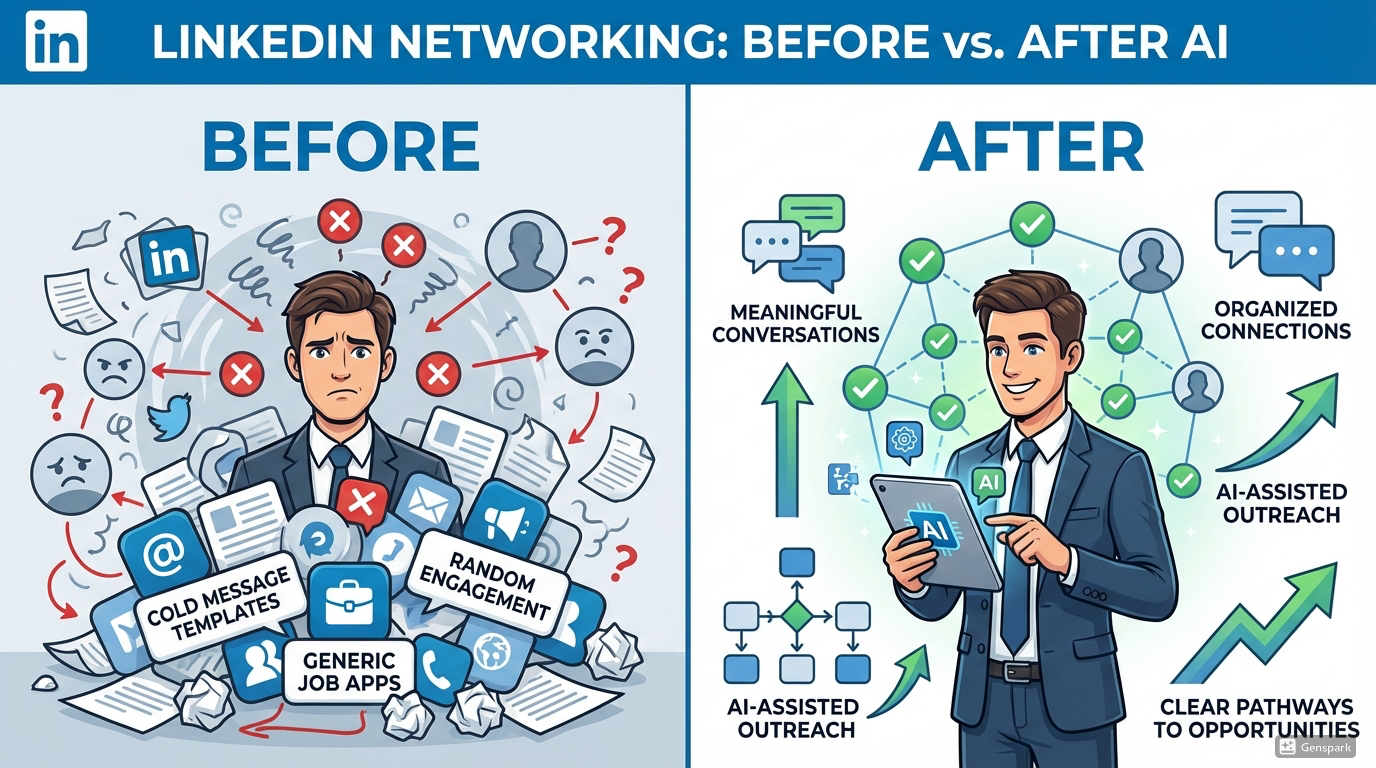
LinkedIn has become the world’s largest professional network, with millions of professionals sharing ideas, opportunities, and insights every day. However, despite the platform’s potential, most professionals struggle to build meaningful relationships with the people who matter most.
Many users passively consume content without consistently engaging with the people who could influence their careers—such as hiring managers, founders, industry leaders, or potential collaborators.
As a result, networking on LinkedIn often becomes opportunistic rather than strategic.
This case study explores the design of a product called Relationship Intelligence Copilot for LinkedIn — an AI-powered system designed to help professionals identify, nurture, and grow relationships with key people on LinkedIn through consistent, thoughtful engagement.
The product acts as a relationship-building assistant, helping users move from passive observers to active participants in meaningful professional conversations.
2. Problem Statement
Professionals often know who they should build relationships with, but they struggle with the execution.
Common challenges include:
Information Overload
LinkedIn feeds contain hundreds of posts daily. Important updates from key individuals often get buried.
Lack of Consistency
Relationship building requires repeated engagement over time, but users forget to interact regularly.
Difficulty Writing Insightful Comments
Many professionals hesitate to comment because they worry about:
- sounding generic
- adding little value
- appearing self-promotional
No Visibility Into Relationship Progress
Users cannot easily track:
- who they have interacted with
- who has responded
- which relationships are strengthening
As a result, networking remains unstructured and reactive.
3. Opportunity
Professional networking works best when relationships are built gradually through repeated meaningful interactions.
Sales teams already manage relationships this way through CRM systems and pipeline stages.
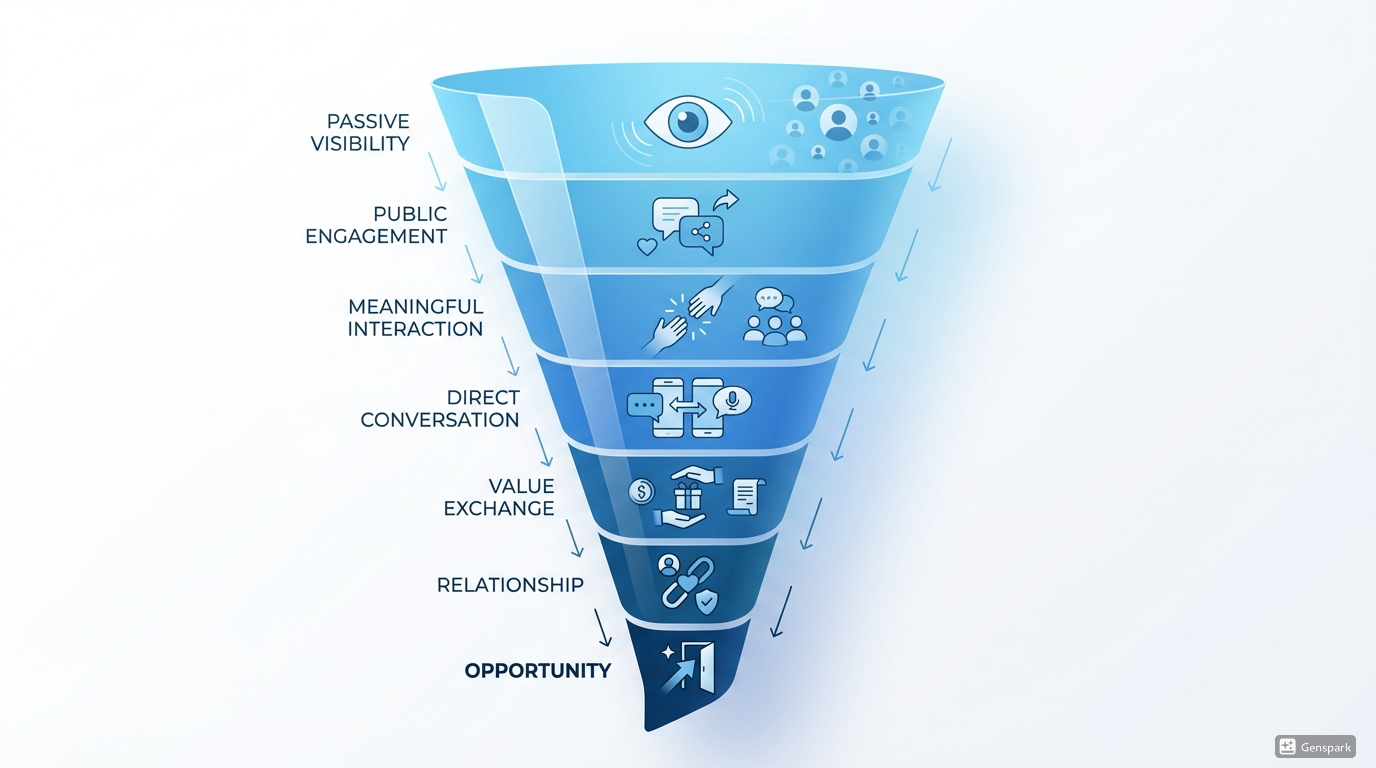
Similarly, networking on LinkedIn can be modeled as a relationship progression funnel.
Relationship Progression Funnel
- Passive Visibility
- Public Engagement
- Meaningful Interaction
- Direct Conversation
- Value Exchange
- Relationship Building
- Opportunity Creation
Each stage represents increasing trust and familiarity.
However, LinkedIn currently provides no system to manage this progression.
This gap creates an opportunity for a Relationship Intelligence system that guides users through the journey.
4. Product Vision
The Relationship Intelligence Copilot helps users consistently build authentic relationships with specific LinkedIn professionals.
Instead of focusing on vanity metrics like views or likes, the product focuses on meaningful interactions that strengthen relationships.
The product combines:
- relationship tracking
- engagement opportunity detection
- AI-assisted commenting
- relationship stage progression
- next-best-action recommendations
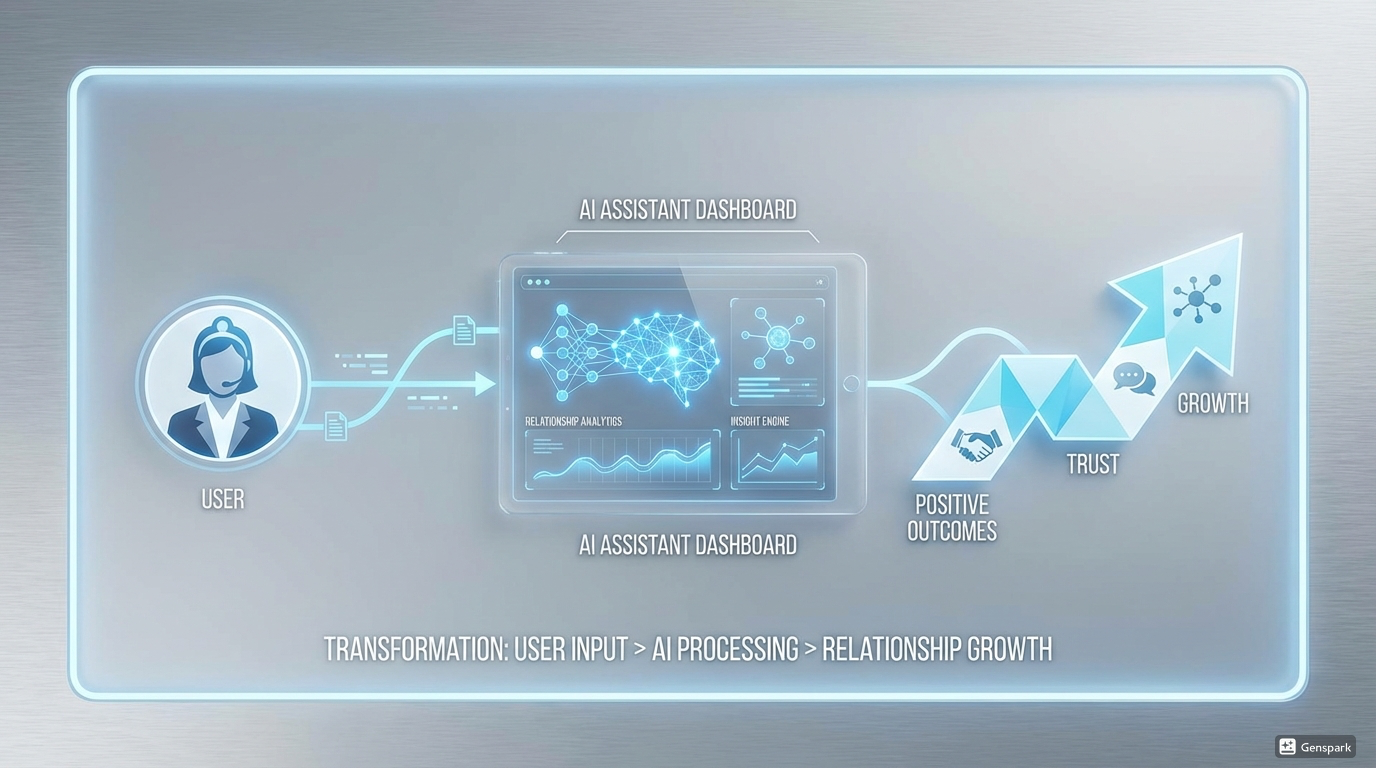
The goal is to transform LinkedIn networking from random activity into a structured relationship-building system.
5. Core Product Loop
The product is built around a relationship-building behavior loop.
This loop encourages users to repeatedly engage with important people.
Relationship Intelligence Core Loop
- User selects important LinkedIn profiles
- System monitors their activity
- Product surfaces engagement opportunities
- AI suggests thoughtful engagement
- User interacts on LinkedIn
- Target person responds
- Relationship score updates
- AI recommends next best action
- Relationship deepens
This loop ensures that users continuously move relationships forward rather than interacting randomly.

6. Key Product Features
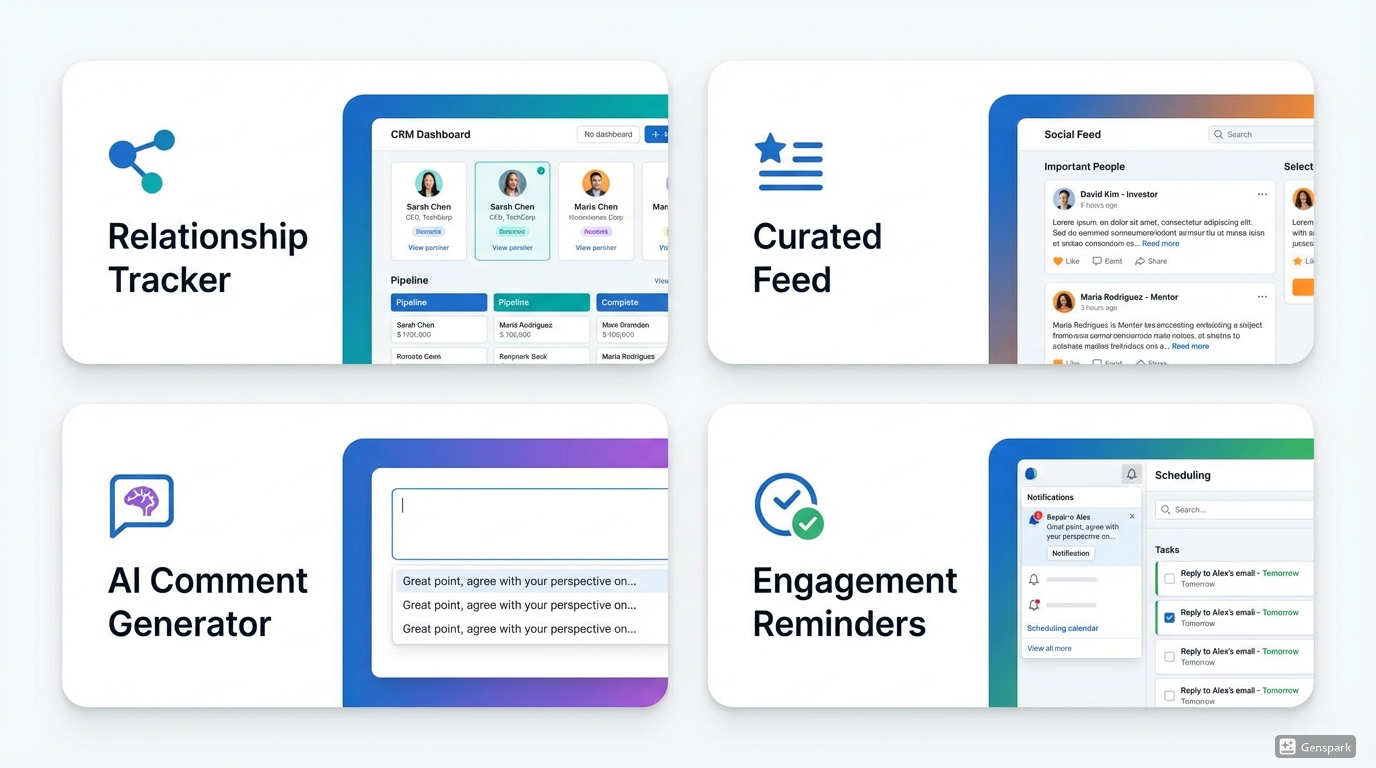
The MVP focuses on four core capabilities that directly support relationship building.
6.1 Target Relationship Tracker
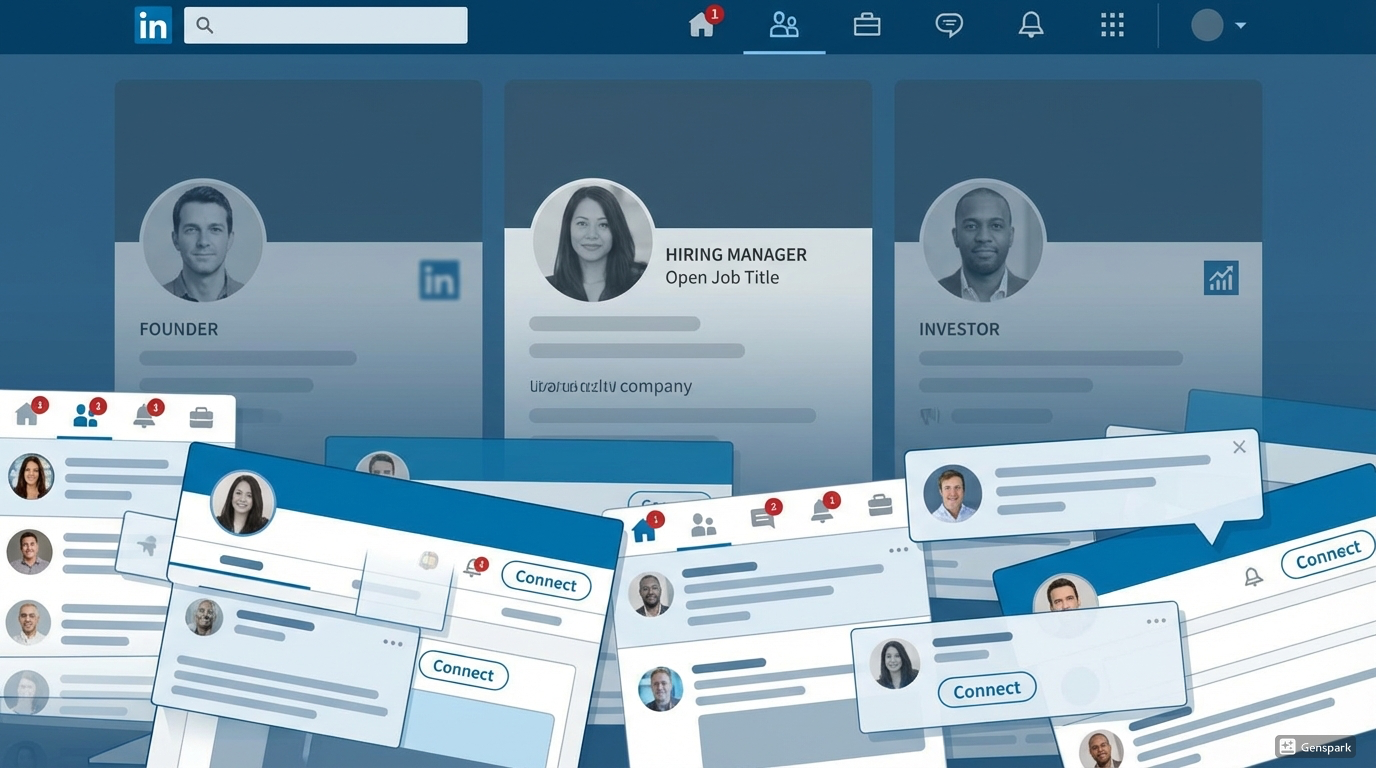
Users can create a list of important people to build relationships with, such as:
- hiring managers
- founders
- product leaders
- investors
The tracker stores:
- profile
- role
- company
- interaction history
This dashboard acts as a personal CRM for LinkedIn relationships.
6.2 Curated Feed of Target People
Instead of scrolling through the entire LinkedIn feed, users see posts from the people they care about most.
This helps users quickly identify opportunities to engage.
Example feed:
| Person | Post Topic | Suggested Action |
|---|---|---|
| Founder | Product launch | Comment insight |
| PM Leader | Hiring post | Ask thoughtful question |
This dramatically reduces noise in the LinkedIn feed.
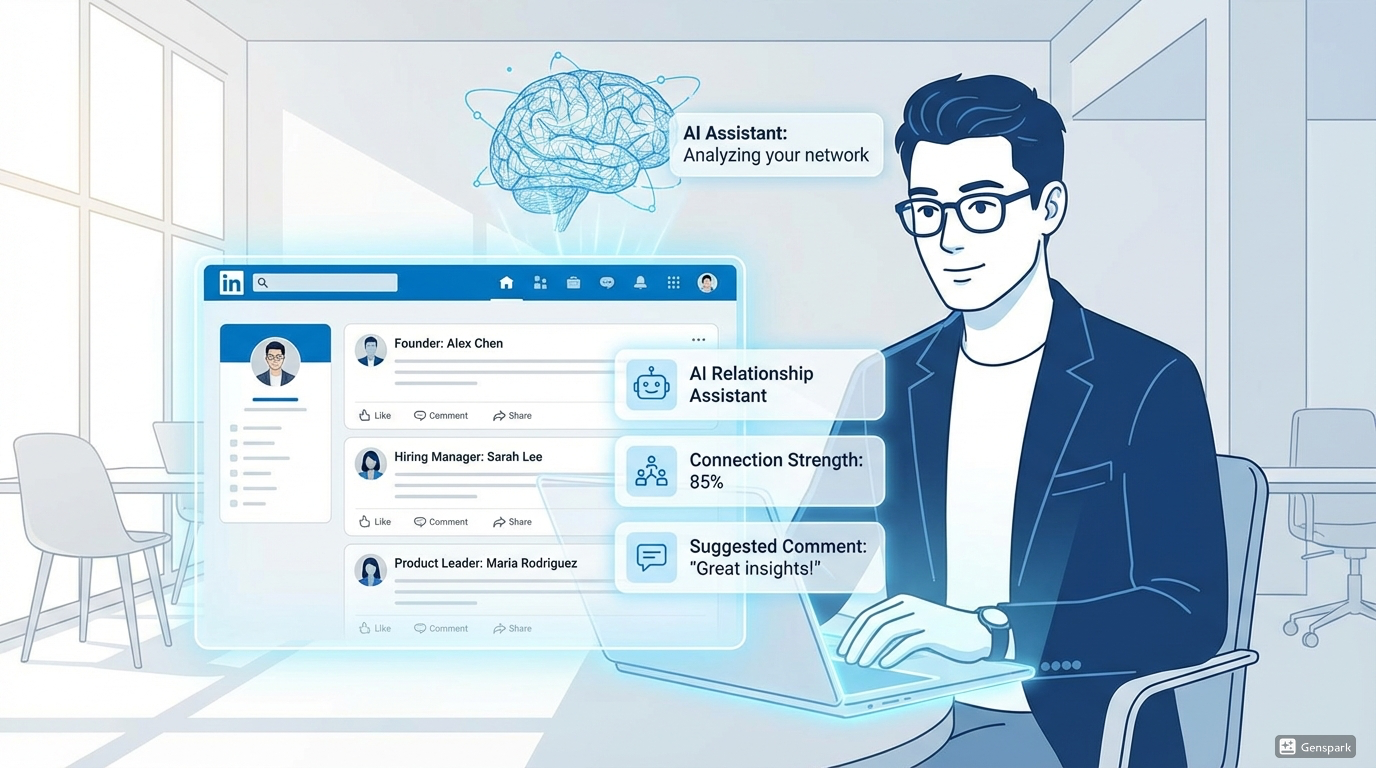
6.3 AI Comment Suggestions
Writing thoughtful comments quickly can be difficult.
The AI assistant helps users generate:
- insights
- questions
- perspectives
Users can:
- edit suggestions
- personalize comments
- post directly to LinkedIn
The goal is quality engagement rather than automation.
6.4 Engagement Reminder System
Consistency is essential for relationship building.
The system reminds users when:
- a tracked person posts
- a conversation needs follow-up
- engagement momentum is dropping
This ensures users maintain steady relationship touchpoints.
7. Relationship Intelligence Layer
Beyond simple engagement tools, the system includes relationship analytics.
Relationship Stage Tracker
Each contact progresses through stages such as:
- Awareness
- Engagement
- Interaction
- Conversation
- Relationship
Example display:
Rahul — Director of Product
Stage: Public Engagement
Next Step: Start DM conversation
This helps users understand where each relationship stands.
Engagement Timeline
The product records interaction history.
Example timeline:
Feb 2 — Followed profile
Feb 5 — Commented on post
Feb 6 — Comment liked
Feb 10 — Comment replied
Feb 12 — Sent DM
This provides context for future conversations.
Trust Score / Relationship Strength
The system analyzes signals such as:
- comment replies
- DM responses
- mutual engagement
It generates a relationship strength score that helps prioritize interactions.
8. AI “Next Best Action” Engine
One of the most powerful features is the AI decision layer.
The system continuously analyzes interaction signals and suggests what to do next.
Examples:
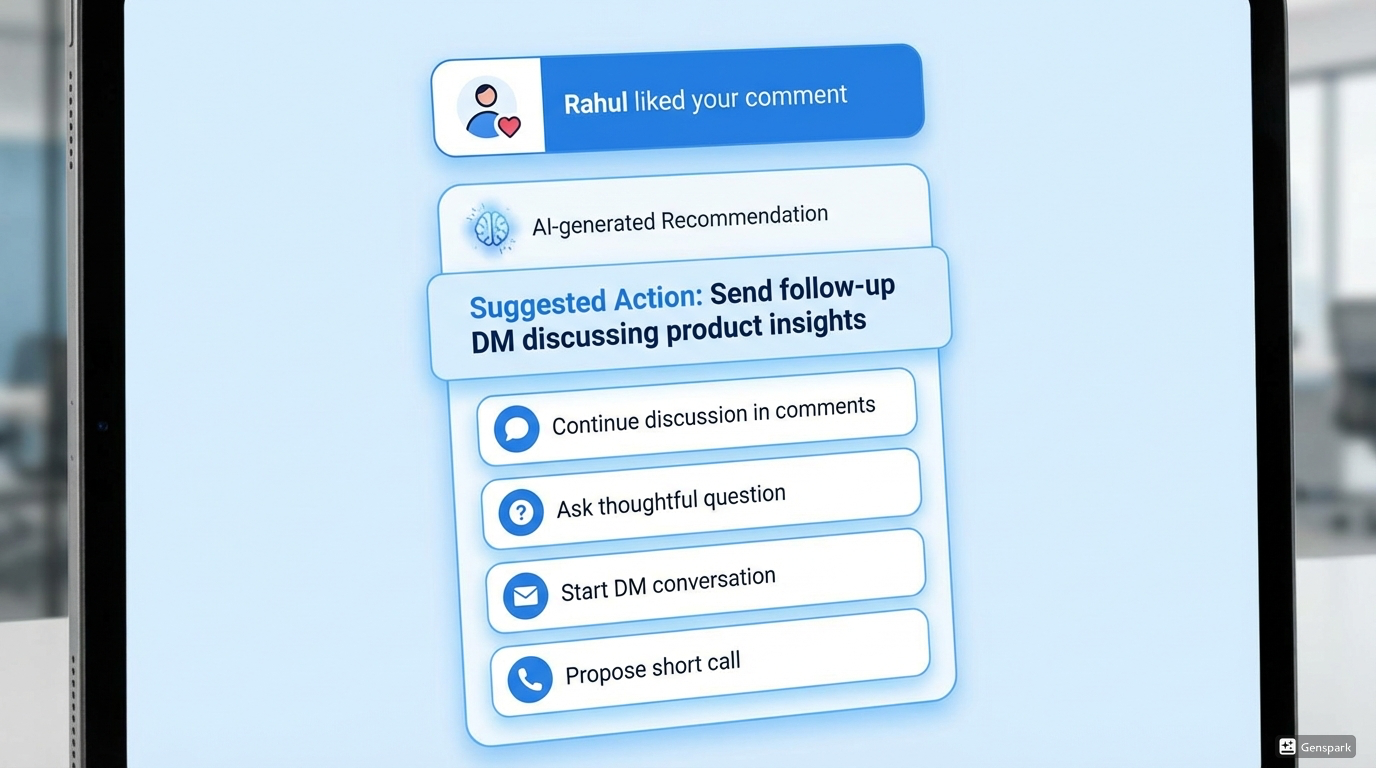
If a person liked your comment:
Suggested action:
Follow up with a thoughtful reply.
If someone replied multiple times:
Suggested action:
Start a DM conversation.
If a DM conversation is active:
Suggested action:
Propose a short call.
This removes the uncertainty of when and how to advance relationships.
9. Metrics for Product Success
The product’s success is measured not by activity but by relationship progress.
The primary metric is:
North Star Metric
Meaningful Interactions With Target Profiles Per Week
These include:
- replies to comments
- DM responses
- direct conversations
Supporting metrics include:
Engagement metrics
- comments written
- AI suggestion usage
Relationship metrics
- reply rate
- DM response rate
Habit metrics
- weekly active users
- engagement sessions
Guardrail metrics also ensure high-quality interactions and prevent spam behavior.
10. Expected Impact
The Relationship Intelligence Copilot has the potential to transform how professionals use LinkedIn.
Instead of random engagement, users can:
- systematically build relationships
- become visible to influential professionals
- initiate meaningful conversations
- create career opportunities
For job seekers, founders, and product professionals, this could dramatically increase the likelihood of:
- referrals
- collaborations
- mentorship
- career opportunities
Ultimately, the system turns LinkedIn from a content platform into a relationship-building engine.
11. Conclusion
Professional success is often driven by relationships rather than transactions.
However, building relationships online requires:
- consistency
- context
- thoughtful engagement
The Relationship Intelligence Copilot for LinkedIn provides the missing infrastructure to make this possible.
By combining AI, engagement analytics, and structured relationship progression, the product empowers professionals to build authentic relationships at scale.
In the future, such systems could become a new category of professional tools: Relationship Intelligence Platforms — helping individuals manage networks with the same sophistication that companies manage customers.